
Demonic Ritual of Pornography - Illuminati Agenda

The Neurological and Psychological Mechanisms of Addiction
The downhill slide of addiction often begins under a dangerous illusion: the individual believes that their private actions are harmless and affect no one else. What they fail to realize is that they are the primary victim of their own behavior, slowly descending into a psychological and spiritual trap. This particular form of dependence is uniquely perilous because it is entirely unrestricted and instantly accessible on modern mobile devices. The multi-trillion-dollar pornography industry deliberately profits by designing an agenda to transform every man, woman, and child into a regular consumer of filth.
This commercialized exploitation functions by hooking the human brain through a predictable, destructive neurological cascade. When an individual consumes this material, visual signals instantly trigger an overwhelming flood of natural neurochemicals, overloading the brain with massive surges of dopamine, serotonin, epinephrine, and oxytocin. Over time, the brain adapts to this unnatural neurological overload by building up a chemical tolerance.
The standard media that once provided an initial rush loses its potency, forcing the individual to seek out increasingly hardcore and extreme versions just to achieve the same biochemical high. Eventually, the brain dependency literally rewires the neural pathways to perceive this hyper-stimulated state as normal, rendering the individual completely unable to function without it. This mechanical process of tolerance, escalation, and functional dependency mirrors the exact neurological architecture seen in severe chemical substance abuse, such as cocaine and heroin addiction.
The psychological and neurological damage caused by chronic consumption operates on the same destructive pathways as severe chemical substance abuse. From a neurological standpoint, frequent exposure overrides the brain's reward system with unnatural surges of dopamine, forcing the brain to build up a tolerance.
As the brain rewires itself, the user requires increasingly extreme and hardcore material just to achieve the same biochemical rush, eventually rendering them dependent on the stimulus to function normally. This structural damage alters human perception, eroding the capacity for genuine empathy and causing individuals to view others as mere objects of consumption.

Psychologically, it traps users in an intense cycle of guilt, anxiety, and deep depressive states. This destructive reality has been highlighted by prominent figures across various fields. The cultural critic and author Chris Hedges deeply captured this dehumanizing effect, stating, "Pornography is about the total commercialization of human beings... It teaches us that human beings are objects to be used, abused, and discarded."
This sentiment is echoed by social researchers who observe how explicit media strips away the sanctity of human connection. The psychological toll of this addiction creates a profound sense of isolation, trapping the individual in a private cycle of shame that distances them from their family, their community, and their own moral values.
Global Statistics
The global financial scale of the pornography industry is immense, with conservative estimates placing its annual revenue between $13 billion and $97 billion globally. This massive financial engine is driven by an unprecedented volume of digital traffic; a single major adult website can record over 28.5 billion visits per year, which averages out to an astonishing 81 million visits per day.
This pipeline translates to roughly 30,000 internet users actively viewing explicit content every single second. The societal damage inflicted by this pervasive exposure is profound and begins at an increasingly early age, with the average age of a child's first exposure to online pornography now sitting at just 11 years old.
Furthermore, 9 out of 10 youth between the ages of 8 and 16 have been exposed to explicit material online. This consumption pipeline creates a severe public health crisis by fueling a dark global underbelly of human exploitation, where roughly 80% of all systemic human trafficking cases are driven directly by the demands of the commercial sex industry.
The psychological damage to relationships is equally severe; statistics reveal that approximately 30% of pornography addicts are women—a rapidly growing demographic—and the habit is cited as a leading cause of marital breakdown and sexual dysfunction, such as psychological impotency, among young adults.
Theological Implications, Historical Roots, and Societal Impact
Beyond the physical rewiring of the brain, the spiritual reality of consuming this material is devastating to the human soul. Many individuals find ways to justify their habits, believing that as long as they are not physically harming another person, their private viewing remains acceptable.

In reality, this habitual exposure hollows out the inner spirit, leaving the heart entirely devoid of spiritual depth during prayers. When the spiritual heart becomes heavily hardened by the continuous consumption of filth, a person can no longer find genuine humility or shed tears during prayer.
It degrades human perception, stripping away the natural capacity for respect and replacing it with an animalistic worldview where other human beings are viewed merely as walking pieces of flesh. This chronic over-stimulation manifests in a severe inability to lower one's gaze, creating a cycle where individuals constantly gawk and stare at others on public transit, university campuses, at work, or on the streets, turning every billboard and passing stranger into an opportunity to compromise their spiritual purity. This widespread moral crisis functions as a quiet domestic warfare that breaches the security of modern homes.
Parents face the chilling reality that despite their best efforts to shield their households, the high statistical ubiquity of smartphones and personal devices means children are routinely exposed to this material by peers as early as eleven years old.
The trap is so deeply embedded into modern digital infrastructure that explicit or suggestive content frequently appears as automated recommendations directly following religious or educational lectures, catching users off guard and pulling them down a rabbit hole of progressive clicks.
Historically and mystically, the roots of obscenity and sexually explicit material are bound to ancient perversions, where historical occult practices and pagan temple rites deliberately utilized explicit imagery to commune with dark, corporeal entities like jinn and demons. Entering into the hypnotic, hyper-focused state of consciousness induced by explicit media leaves an individual highly suggestible and spiritually vulnerable, creating a gateway for negative entities that feed directly off sexual perversion.
This attachment deepens the cycle of insatiable addiction, driving users toward increased aggression, deep depressive states, and a general indulgence in systemic wickedness, functioning as a form of modern, tech-driven ritualism.
The global scale of this epidemic is reflected in staggeringly vast data footprints; statistical research shows that a single major adult platform can garner over twenty-eight billion annual visits, averaging roughly eighty-one million visits per day, and transferring hundreds of gigabytes of data every single second.
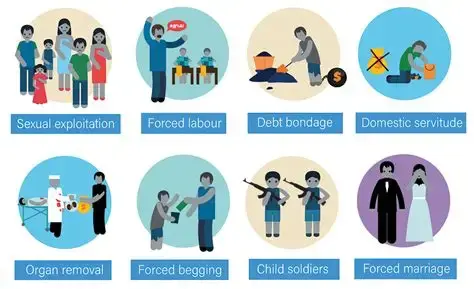
This massive consumption pipeline fuels a horrific global underbelly of human trafficking, where eighty percent of systemic trafficking is driven directly by the demands of the commercial sex industry, leading to the profound trauma and exploitation of millions of innocent children worldwide.
Despite societal denial, analytical internet search data reveals that these explicit queries are heavily prevalent globally, with several prominent Muslim-majority nations frequently outnumbering Western nations in per-capita searches, highlighting a severe, unaddressed crisis within the global community.
Islamic Stance
This behavioral enslavement represents a profound spiritual warning highlighted within Islamic theology. The Prophet Muhammad (PBUH) warned that when the tribulation of the Antichrist appears, individuals who consider themselves firm believers will approach him and inadvertently become his followers because of the overwhelming array of carnal appetites, base desires, and illicit doubts he brings.
Succumbing to these uncontrolled desires aligns precisely with the warning presented in the Holy Quran, where Allah asks: "Have you seen the one who takes his desires as his god?" (Surah Al-Furqan, 25:43).
Elevating physical lusts above divine boundaries creates a form of internal idolatry that directly compromises a believer's faith. While Islamic jurisprudence enforces severe public legal punishments for producing, distributing, or commercializing explicit and obscene materials to safeguard the moral fabric of society, the Quranic warnings focus heavily on the strict accountability of the individual before God.
Allah explicitly warns humanity regarding the misuse of their physical faculties, stating: "Indeed, the hearing, the sight, and the heart—about all those, one will be questioned" (Surah Al-Isra, 17:36). Furthermore, the spiritual consequence of unchecked visual consumption is a hardened, sealed heart, as Allah states: "No! Rather, the stain has covered their hearts because of what they used to earn" (Surah Al-Mutaffifin, 83:14).
The divine code demands absolute visual modesty as a prerequisite for spiritual success, explicitly commanding the believers in the Quran: "Tell the believing men to lower their gaze and protect their private parts. That is purer for them. Indeed, Allah is Acquainted with what they do" (Surah An-Nur, 24:30).

Actionable Strategies for Behavioral Reform and Recovery
For those who recognize the weight of this habit and experience a desire to reform, the path to recovery requires active, structured intervention. The initial step is educational and cognitive: an individual must actively study the destructive impact of explicit media on the physical brain, marital intimacy, and spiritual standing, while consciously reflecting on the spiritual deficit they are accumulating.
Recognizing the exact triggers that prompt these episodes is vital to uncovering and addressing the root cause of the behavior. When the choice to seek repentance is made, it must be executed immediately without procrastination, paired with sincere supplication for divine assistance.
Practical environmental boundary-setting is critical to sustaining this choice; individuals must entirely purge explicit files and images from their laptops and smartphones, unfollow any digital pages that act as a gateway, and systematically terminate social relationships with peers who encourage or facilitate the habit.
Loneliness and prolonged idleness are the primary states wherein temptation manifests, making it essential to eliminate isolation by removing bedroom door locks, keeping computer screens entirely in open family areas, and organizing structured, productive daily schedules.
For unmarried individuals, it is crucial to recognize that chronic exposure to hyper-stimulating material is a leading cause of psychological erectile dysfunction and sexual impotency after marriage; conversely, for married individuals, it serves as a primary driver of marital breakdown, requiring a conscious reinvestment of time, energy, and intimacy back into one's spouse.
Managing the physical urges involves understanding that a standard wave of temptation operates in a distinct biological cycle that builds to a peak and naturally subsides within thirty minutes; recognizing this brief timeline allows an individual to consciously outlast the urge.
Finally, one must never fall into the arrogant trap of assuming they have grown strong enough to view suggestive content without slipping back into active addiction, nor should parents assume their children are too young to be exposed—vigilant monitoring of devices and delaying smartphone ownership for youth remain essential protective measures in a highly digital world.
Conclusion
The path to recovery from pornography addiction is a structured, long-term process of cognitive and neurological rehabilitation that demands absolute dedication. Neurological data offers hope, demonstrating that the human brain possesses neuroplasticity—the ability to heal and forge healthy neural pathways once the toxic stimulus is entirely removed. The biological urge or "lust cycle" operates in a predictable wave that builds to a peak and naturally decreases in less than 30 minutes, meaning recovery relies heavily on learning to consciously outlast these brief windows of temptation.
Practical recovery strategies require an individual to remove all digital triggers by purging explicit files, using website blockers, keeping computer screens in open family areas, and entirely avoiding isolation. True recovery also involves replacing idleness with constructive activities and rebuilding real-world intimacy within marriage. Highlighting the necessity of guarding one's mind and discipline, the famous Roman philosopher Seneca once wrote, "Most powerful is he who has himself in his own power."


Comments